
Why Search Marketing Is Still One of the Smartest Growth Channels for Ecommerce
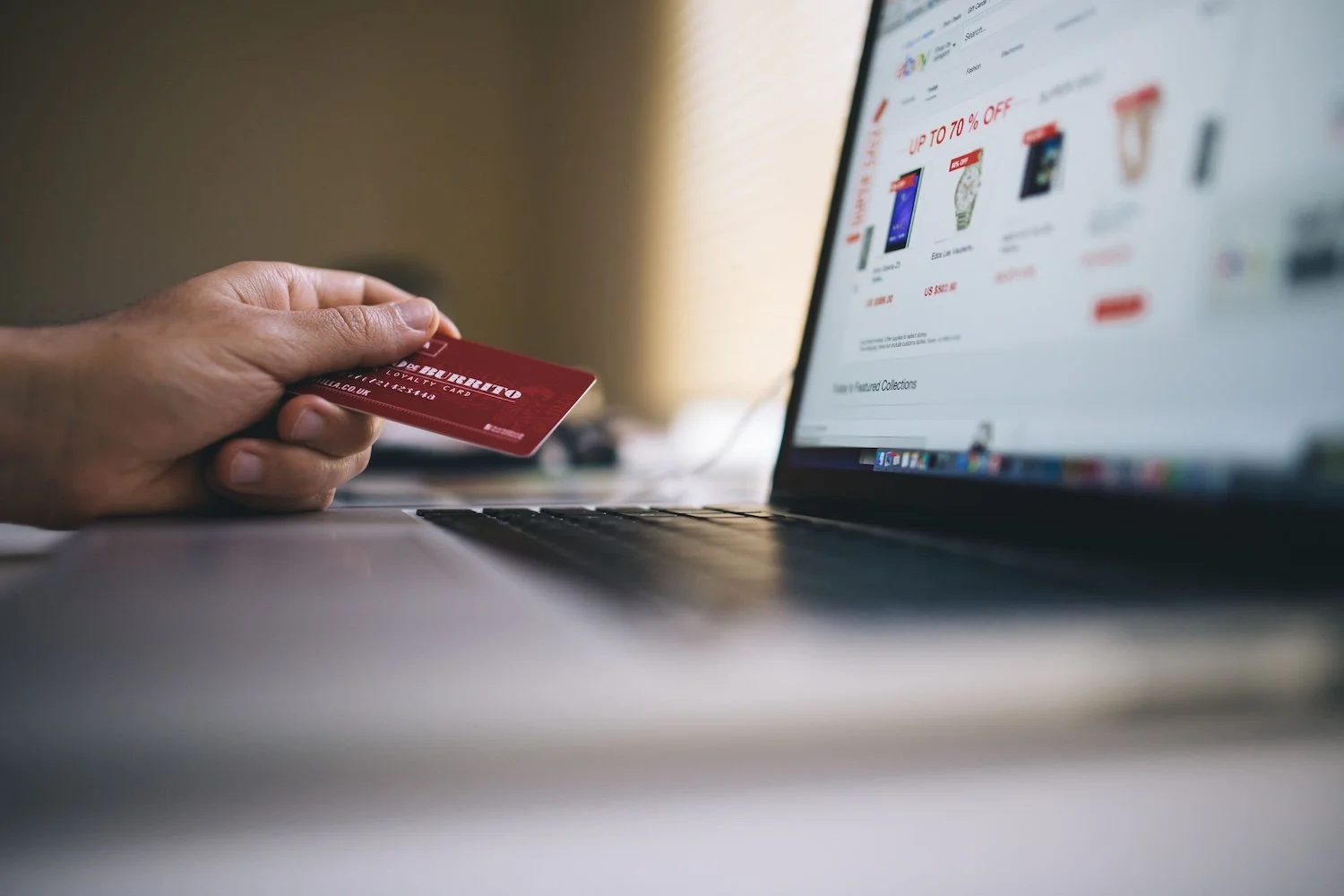
Ecommerce marketing moves quickly. One month, everyone is talking about TikTok Shop. The next, it is AI search, creator partnerships, paid social, email segmentation, or the latest platform update that promises to change how people discover products online.
And while many of these channels can absolutely play an important role in growth, search marketing remains one of the smartest, most sustainable investments an ecommerce brand can make.
Why? Because search captures people when they are actively looking.
Unlike channels that interrupt someone’s scroll, search meets potential customers in a moment of intent. They may be comparing products, looking for inspiration, researching a problem, searching for a gift, reading reviews, or ready to buy. A strong search strategy helps your brand show up at every one of those moments.
Better yet, search marketing doesn’t just drive traffic. When done well, it strengthens your website, improves your content, supports paid campaigns, feeds other marketing channels, and builds long-term visibility that can continue working for your business long after a blog post, category page, or product guide is published.
That is why SEO and search marketing are not just “nice to have” for ecommerce brands. They are foundational growth channels.
Search Marketing Builds Long-Term Value That Stays With Your Site
Paid ads can be powerful. They can help you test new products, promote seasonal offers, retarget warm audiences, and generate sales quickly. But paid traffic comes with a clear limitation: when you stop paying, the traffic stops too.
SEO works differently.
When you invest in your website’s technical health, category pages, product copy, content strategy, and search visibility, you are building assets that can continue to support your brand over time. A well-optimized blog post can bring in traffic for months or years. A strong collection page can rank for high-intent searches and generate sales without requiring a daily ad budget. A helpful buying guide can support customers through multiple stages of their decision-making process.
This does not mean SEO is instant. It usually is not. Search marketing takes time, consistency, and patience. But that is also part of what makes it so valuable.
A paid campaign might give you a spike in traffic. SEO helps you build an engine.
Each optimized page adds to your site’s overall authority, relevance, and discoverability. Over time, this creates a stronger foundation for organic traffic, brand awareness, and revenue. The more high-quality content and optimized pages you build, the more opportunities your ecommerce store has to appear in front of people who are already searching for products, ideas, and solutions like yours.
For ecommerce brands with visually driven products, such as clean beauty, sustainable fashion, elevated home decor, nursery furniture, skincare, jewelry, or lifestyle goods, this long-term visibility can be especially powerful. Your customers may take time to research, compare, save ideas, and return later. SEO gives your brand more chances to be discovered throughout that process.
Search Reaches Customers at Every Stage of the Buying Journey
One of the biggest advantages of search marketing is that it supports the full customer journey, not just the final purchase.
Many ecommerce brands focus heavily on bottom-of-funnel keywords, such as “buy organic face oil,” “linen sectional sofa,” or “gold hoop earrings.” These are important because they indicate strong purchase intent. But customers rarely begin their journey there.
Before they search for a specific product, they may search for things like:
“How to build a simple skincare routine”
“Best fabric for a family-friendly sofa”
“Gift ideas for new moms”
“How to style a small living room”
“What to wear to a summer wedding”
“Non-toxic candles for the home”
“Best diaper bag for travel”
These searches are not always immediately transactional, but they are incredibly valuable. They reveal what your audience cares about, what problems they are trying to solve, and what kind of support they need before they feel confident buying.
A strong ecommerce SEO strategy considers all stages of the customer journey.
At the awareness stage, your audience may not know exactly what they need yet. They are exploring ideas, learning about options, or trying to better understand a problem. Blog posts, educational guides, styling tips, gift guides, and comparison content can help introduce your brand in a helpful, low-pressure way.
At the consideration stage, shoppers are comparing materials, ingredients, sizes, styles, brands, price points, shipping policies, reviews, or use cases. This is where buying guides, FAQs, product comparisons, collection page content, and detailed product descriptions can help move them closer to a decision.
At the purchase stage, shoppers are ready to act. Optimized product pages, category pages, review content, clear shipping information, strong calls to action, and a smooth user experience all help turn search traffic into sales.
At the post-purchase stage, SEO can still play a role. Content about product care, styling, refills, maintenance, how-to guides, and complementary products can keep customers engaged and encourage repeat purchases.
This is one reason search is so effective for ecommerce. It does not rely on catching a customer at one perfect moment. It helps your brand show up across many moments.
SEO Content Becomes an Asset Across All Marketing Channels
A common misconception is that blog content is “just for SEO.” In reality, strong SEO content can support almost every part of your marketing strategy.
A well-written blog post can become a newsletter topic. A gift guide can be turned into a Pinterest campaign. A product comparison can support paid ads. A how-to article can become social media content. A buying guide can be repurposed into a downloadable resource, quiz, carousel, or video script.
This is especially useful for ecommerce brands that need to maintain a consistent presence across multiple channels without constantly starting from scratch.
Let’s say you own a beauty brand and publish a blog post called “How to Build a Simple Morning Skincare Routine.” That one piece of content could become:
A newsletter feature linking to your cleanser, serum, and moisturizer
A Pinterest pin series for skincare routines
Instagram carousel content
Short-form video talking points
Paid ad copy focused on routine-building
Internal links to your product pages
FAQ content for your website
A lead magnet or quiz theme
The same applies to lifestyle, furniture, fashion, and home brands. A post like “How to Choose the Right Sofa for a Small Living Room” could support email campaigns, Pinterest boards, product pages, collection pages, showroom content, paid search campaigns, and social media posts.
This is where SEO becomes much more than a traffic channel. It becomes a content foundation.
Instead of creating disconnected pieces of marketing content for every platform, your brand can use search data to understand what your audience is already looking for. Then you can create high-quality content that serves search visibility first and repurpose it across other channels.
That means your SEO investment stretches further. One strategic piece of content can support organic traffic, email marketing, paid campaigns, social content, customer education, and sales enablement.
Strong SEO Improves the ROI of Your Paid Marketing
SEO and paid ads are often treated as separate channels, but they work best when they support each other.
Strong SEO performance improves your website’s overall quality. That includes page speed, mobile usability, site structure, content clarity, product information, internal linking, navigation, and conversion-focused copy. These improvements do not only help organic rankings. They also help paid traffic perform better.
Think about what happens when someone clicks on a paid ad.
They land on your website. If the page loads slowly, feels confusing, lacks helpful information, or does not clearly explain why the product is worth buying, that paid click is less likely to convert. You paid for the visit, but the website did not do enough to support the sale.
Now imagine the opposite.
The landing page loads quickly. The product description is clear and persuasive. The images are well organized. The page answers common objections. Related products are easy to find. Reviews are visible. Shipping and returns information is clear. The category page helps shoppers compare options. The blog content supports product education.
That is SEO doing more than helping rankings. It is improving the experience for every visitor.
For ecommerce brands investing in Google Ads, Meta ads, Pinterest ads, influencer campaigns, or email marketing, this matters. Every channel eventually sends people back to your website. If your site is stronger, your overall marketing ROI improves.
Technical SEO helps ensure your site can be crawled, indexed, loaded, and understood properly. Content SEO helps ensure shoppers can find the information they need. On-page SEO helps organize products, collections, and educational content in a way that supports both search engines and humans.
The result is a website that is easier to discover, easier to navigate, and easier to buy from.
Search Helps You Understand What Your Customers Actually Want
One of the most underrated benefits of search marketing is the insight it provides.
Keyword research is not just about rankings. It is customer research.
When you look at what people are searching for, you get a clearer picture of their questions, hesitations, desires, and priorities. You can see the language they use when describing your products. You can identify trends in how people compare options. You can uncover seasonal opportunities, common concerns, and product education gaps.
This is incredibly valuable for women-focused ecommerce brands because many purchase decisions are emotional, personal, aesthetic, practical, or identity-driven.
A skincare customer may want to know whether a product works for sensitive skin. A furniture customer may care about durability, fabric, pet-friendliness, or how a piece looks in a small apartment. A lifestyle customer may be searching for gifts that feel thoughtful, elevated, or personal. A fashion customer may be looking for fit guidance, outfit ideas, or capsule wardrobe staples.
Search data helps you understand those needs before a customer ever lands on your website.
These insights can inform product descriptions, collection names, blog topics, email campaigns, ad messaging, social content, FAQs, and even product development.
For example, if you discover that many people are searching for “best non-toxic candles for bedrooms,” that may inspire a blog post, a collection page, a product bundle, an email campaign, and ad copy. If shoppers are searching for “how to choose a dining table size,” that could become a buying guide, a product page FAQ, and a helpful chart for your collection page.
Search marketing helps you stop guessing and start building content around real customer demand.
Ecommerce SEO Supports Both Brand Discovery and Conversion
Some marketing channels are better at awareness. Others are better at conversion. Search can support both.
At the discovery level, SEO helps new customers find your brand when they are searching for ideas, inspiration, or solutions. This is particularly important for smaller and growing ecommerce brands competing against larger retailers. You may not have the ad budget of a major marketplace or department store, but you can still earn visibility through thoughtful, specific, helpful content.
That might mean ranking for niche searches like:
“minimalist gold jewelry for everyday wear”
“organic cotton baby shower gifts”
“modern nursery furniture ideas”
“best facial oil for dry mature skin”
“how to decorate a cozy reading corner”
“small space dining table ideas”
These searches may not have the massive volume of broad keywords, but they can attract highly relevant shoppers.
At the conversion level, SEO helps your product and collection pages do their job. Optimized ecommerce pages are not just written for search engines. They are written to help shoppers make confident decisions.
A strong product page should answer questions like:
What is this product?
Who is it best for?
What makes it different?
What materials, ingredients, dimensions, or features matter?
How do I use it?
What does it pair well with?
What are the shipping, return, or care details?
Why should I trust this brand?
When your pages answer these questions clearly, shoppers feel more supported. That can lead to higher conversion rates, fewer abandoned carts, and better customer satisfaction.
SEO Protects Your Brand From Over-Reliance on Paid Channels
Paid channels are becoming more competitive. Ad costs can rise. Platform rules can change. Tracking can become less reliable. Campaign performance can fluctuate. Creative fatigue can set in quickly.
When an ecommerce brand depends too heavily on paid traffic, growth can feel fragile. Sales may be strong while campaigns are running, but if costs increase or performance drops, revenue can take a hit.
SEO helps create more balance.
Organic traffic gives your brand a source of visibility that is not directly tied to daily ad spend. It does not replace paid marketing, but it can reduce your dependence on it. Over time, strong organic performance can help lower blended acquisition costs and create a more sustainable growth model.
This is especially important for ecommerce brands with seasonal sales cycles, product launches, or limited marketing budgets. SEO can help you build visibility before peak seasons arrive. Gift guides, collection pages, seasonal content, and evergreen resources can all support future campaigns.
For example, a lifestyle brand that publishes and optimizes holiday gift guides in advance can benefit from organic visibility when shoppers begin searching. A furniture brand that builds out content around “small space living room ideas” can attract shoppers year-round. A beauty brand that creates educational skincare content can continue reaching potential customers between launches and promotions.
SEO gives your brand a stronger foundation, so every sale does not have to be bought through ads.
Search Marketing Builds Trust Before the Sale
Showing up in search results can also build trust.
When your brand appears for helpful, relevant, and specific searches, customers begin to see you as a resource, not just a store. This matters because ecommerce shoppers often need reassurance before buying, especially if they are new to your brand.
Educational content can help reduce uncertainty. It can explain ingredients, materials, sizing, styling, care instructions, product benefits, and use cases. It can also show your brand’s perspective, values, and expertise.
A furniture brand can build trust by helping customers understand quality construction, fabric choices, and room planning. A beauty brand can build trust by explaining skin types, routines, and product layering. A fashion brand can build trust through fit guides and styling inspiration. A baby or motherhood brand can build trust through practical, supportive content that makes decision-making easier.
This type of content does not need to be pushy. In fact, it usually works better when it is genuinely helpful.
The goal is to meet your customer with the right information at the right time. When they are ready to buy, your brand is already familiar.
Search Works Best When It Is Built Into Your Whole Marketing Strategy
SEO should not live in a silo.
The strongest ecommerce brands treat search as part of their broader marketing ecosystem. They use SEO insights to guide content planning. They optimize product and collection pages before sending paid traffic to them. They repurpose blog content for email and social media. They use customer questions to build FAQs. They align seasonal SEO content with promotional campaigns.
This creates consistency across every touchpoint.
A customer might first discover your blog through Google, save a product image on Pinterest, join your email list, see a retargeting ad, read a product comparison, and finally make a purchase weeks later. Search may not be the only channel involved, but it plays a crucial role in supporting the journey.
That is what makes search marketing so smart for ecommerce. It does not just generate traffic in isolation. It strengthens the entire path from discovery to purchase.
SEO Is a Long-Term Growth Channel Worth Prioritizing
Ecommerce growth is rarely about one magic channel. The strongest brands usually grow through a thoughtful mix of organic search, paid advertising, email, social media, partnerships, customer experience, and brand-building.
But search marketing deserves a central place in that mix.
It helps your brand show up when customers are actively looking. It builds long-term value that stays with your website. It supports every stage of the customer journey. It creates content assets that can be reused across newsletters, Pinterest, paid ads, social media, and more. It improves your website experience, which can increase the ROI of all your marketing efforts.
Paid ads can help you move quickly. Social media can help you build community. Email can help you nurture relationships. But SEO gives your ecommerce brand a lasting foundation for visibility, trust, and sustainable growth.
For women-focused ecommerce brands in beauty, lifestyle, furniture, fashion, wellness, home, and beyond, search marketing is still one of the smartest investments you can make. Not because it is trendy, but because it is durable.
When your customers go looking, your brand should be there.